
Deposit-return workshop in Latvia shares best practice
Taking responsibility for what happens to bottles and cans after consumers enjoy a beverage is central to our efforts to drive greater circularity.
Deposit return schemes are a proven way to encourage consumers to recycle bottles. They involve charging consumers a deposit on bottles and cans, which is refunded when they are returned to be reused or recycled.
You can read more about our position on deposit return schemes here.
In 2024, we brought together the strategic packaging collection leads from all EU markets to learn more about these schemes.
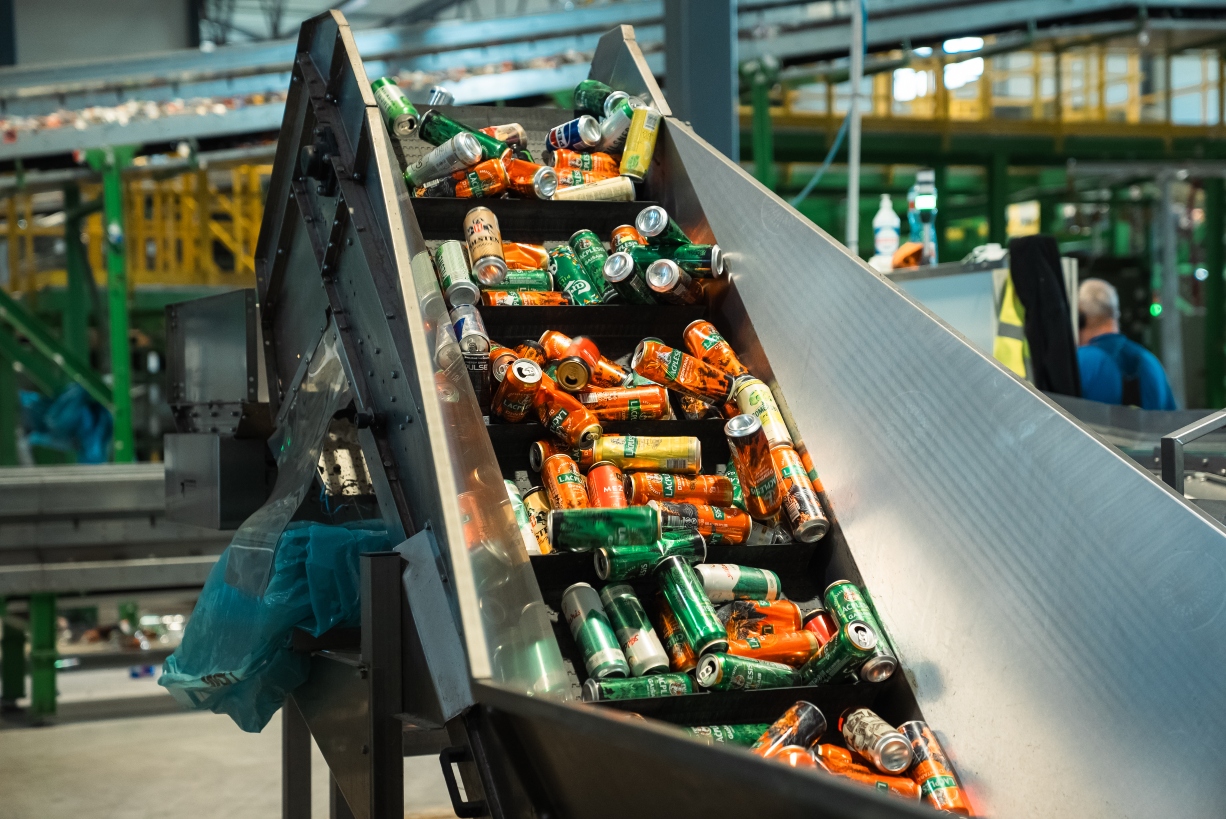
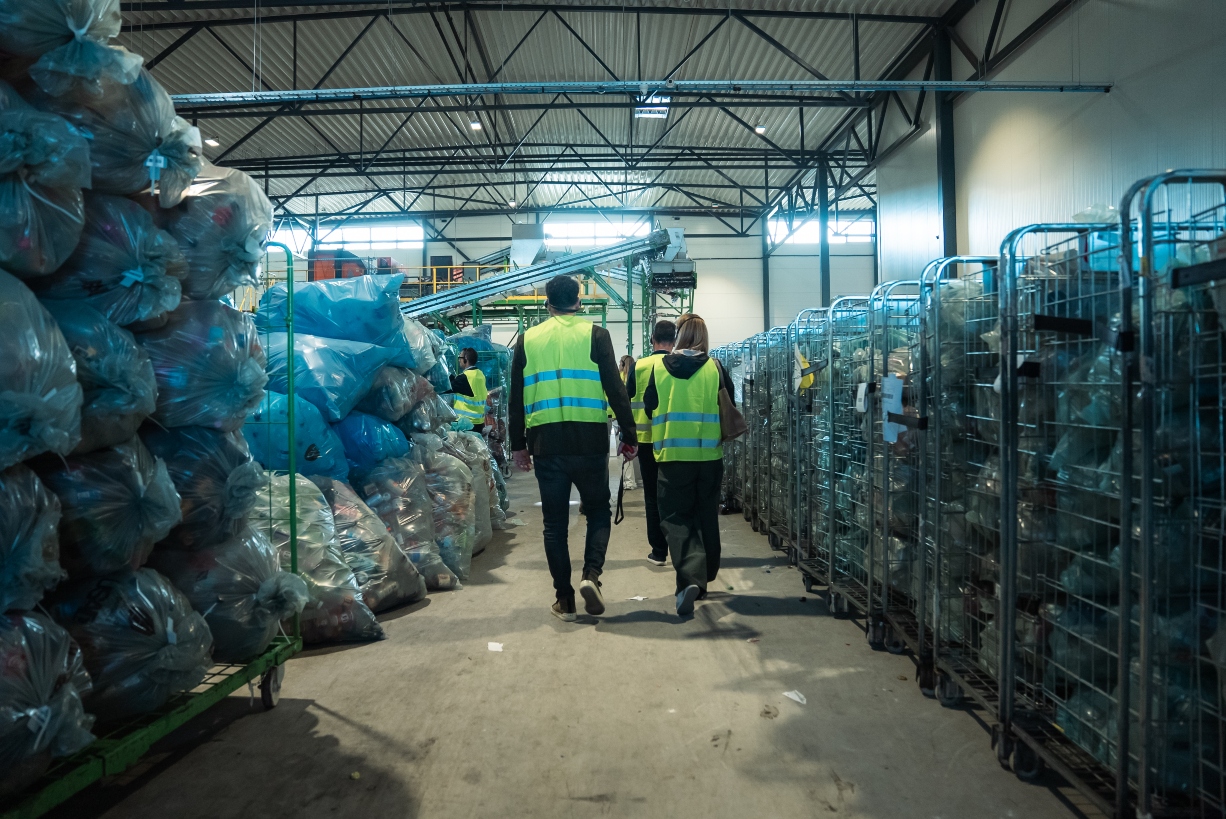
Our teams met in Latvia, the latest country to set up an effective deposit return scheme, following in the footsteps of the four Scandinavian countries, Germany and the other two Baltic states. Our workshop included a visit to one of the largest supermarkets in Riga, for a first-hand look at the back of a reverse vending machine and a tour of the impressive sorting facility of the Latvian deposit scheme operator.
This workshop was an opportunity to understand why deposit return schemes are the most effective route to close the loop on beverage packaging. As well as reducing littering in nature and waste incineration, these schemes also shrink the footprint of our operations. Creating clean mono-material recycling streams, they enable a higher amount of recycled content to be used in the new bottles and cans we purchase, helping us replace virgin raw materials and reduce the carbon footprint of bottles and cans.
By making this shift, our operations in Latvia reached bottle and can recycling rates of above 90% in 2024, up from 50% prior to the deposit implementation. The workshop will help us to take lessons from the progress in Latvia to make similar schemes around Europe successful.

Contact
Please address enquiries to:
Central & Eastern Europe and India
-
Azerbaijan
-
Belarus
-
Bulgaria
-
Canada
-
Croatia
-
Estonia
-
Greece
-
Hungary
-
India
-
Italy
-
Kazakhstan
-
Latvia
-
Lithuania
-
Serbia
-
Ukraine