
Carlsberg Group and WWF Denmark expand partnership to protect water resources in Asia
Nearly two billion people live in areas at risk of severe water scarcity. At the same time, 85% of the world’s freshwater species populations have been lost since 1970. To help address these challenges, Carlsberg Group and WWF Denmark are continuing their strategic partnership with a focus on protecting and restoring wetlands and improving water availability in vulnerable areas across Asia.
Water is a critical ingredient to every Carlsberg beverage, and the company is committed to safeguarding water resources to ensure its long-term resilience. The partnership between WWF and the Carlsberg Group, which began in 2018, is now entering its third phase with a strong focus on long‑term impact. The partnership is developed based on results from the WWF Water Risk Filter, an online tool which enables companies to explore, assess, and respond to water risks in their production and supply chain.
From 2026 to 2028, the work will center on restoring degraded wetlands in Nepal, establishing a new wetland restoration project in Ningxia in China’s Yellow River basin and maintaining and monitoring existing projects in China and Laos. The work continues the emphasis on long‑term water stewardship and collective action at basin level to deliver lasting impact.
Restoring water resources and ecosystems
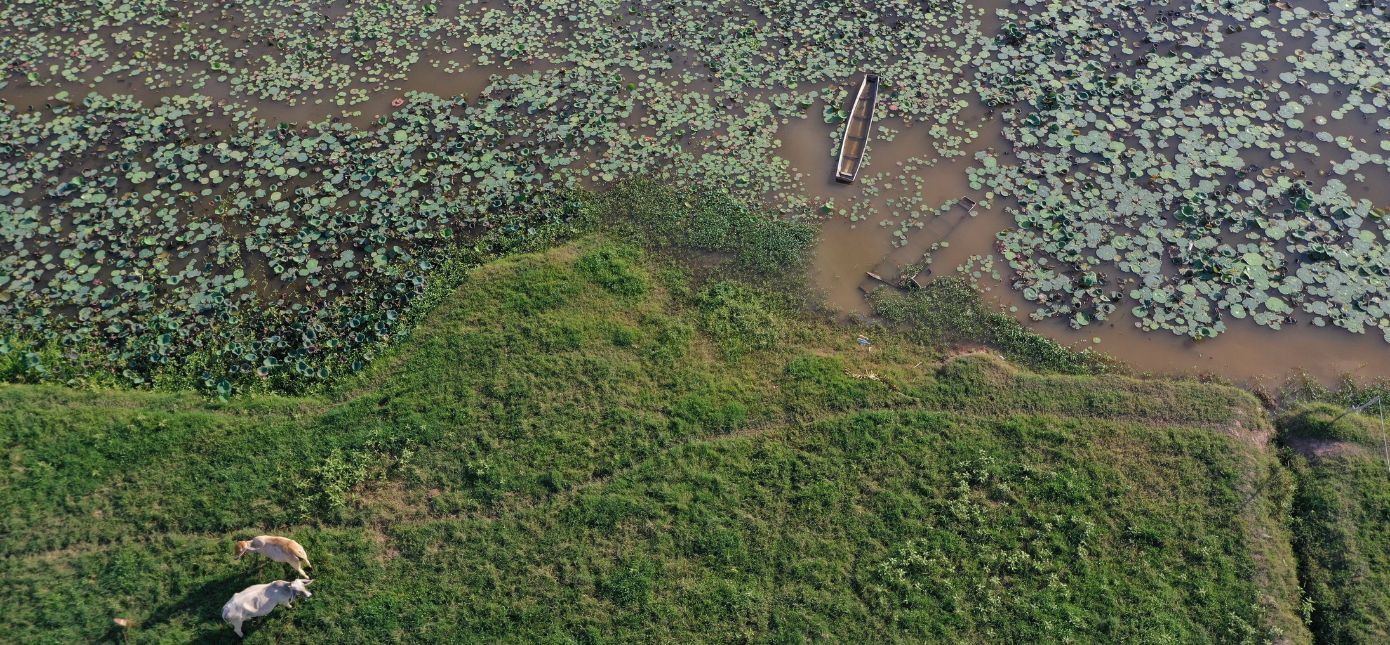
In many of the project areas, freshwater ecosystems have been disrupted due to climate change, pollution and overuse of water resources. This has led to declining water quality, increased evaporation and a growing risk of wetland turning into drylands.
“Water is one of our most critical resources – both for our production sites and for the communities we are part of. We are working to reduce our water use and, in partnership with WWF Denmark, actively replenish water resources in the areas where the need is greatest. By doing so, we demonstrate how we can contribute to societal development in a responsible and meaningful way,” says Simon Boas Hoffmeyer, VP Sustainability & ESG, Carlsberg Group.
Through wetland restoration and nature-based solutions, the partnership aims to return clean water to nature and generate greater benefits for local ecosystems and communities while fostering societal change. One key indicator of success being the increase of local wildlife populations as a sign of a healthy and resilient freshwater ecosystem.
“Freshwater ecosystems are among the most threatened in the world, and therefore we are very pleased that the Carlsberg Group contributes to restoring unique wetlands in China, Nepal and Laos. The collaboration with Carlsberg Group demonstrates how companies can contribute to nature restoration while also creating value for local communities while at the same time addressing potential value chain challenges. It is an important step towards protecting biodiversity and more resilient river basins for ecosystems and communities,” says Julie Hjort, Director of Partnerships in WWF Denmark.
Third phase of the partnership’s projects include maintenance and monitoring of existing restoration projects in China and Laos, restoration of degraded wetlands in Nepal as well as the establishment of a new wetland restoration project in Ningxia in China's Yellow River basin.
Water replenishment achieved in partnership
The partnership’s two first phases have resulted in the creation and restoration of wetlands recharging groundwater and purifying polluted water across 7 locations near 4 breweries. Together, the projects have thus replenished a total of 1.200.000 m3 of water in 2025 – the same as 2.4 billion half-litre bottles of water – and the projects are today replenishing more than 100% of the water consumed at 3 Chinese breweries.
When fully implemented the projects in Nepal, China and Laos are expected to contribute to about 40% of Carlsberg Group’s 2032 target of replenishing 100% of the water consumption at Carlsberg’s breweries in high-risk areas.
About the partnership
Carlsberg Group and WWF Denmark initiated the partnership concerning freshwater in 2018. The partnership aims to restore wetland ecosystems and increase water availability in priority basins in China, Laos and Nepal. The partnership has worked closely with WWF-China, WWF-Laos and WWF-Nepal to successfully deliver on-the-ground impacts with support from relevant governmental partners and other stakeholders. In January 2026, the partnership entered its third phase, which run until the end of 2028.

Contact
Please address enquiries to:
Central & Eastern Europe and India
-
Azerbaijan
-
Belarus
-
Bulgaria
-
Canada
-
Croatia
-
Estonia
-
Greece
-
Hungary
-
India
-
Italy
-
Kazakhstan
-
Latvia
-
Lithuania
-
Nepal
-
Serbia
-
Ukraine