
Carlsberg Denmark increases its share of regenerative raw materials
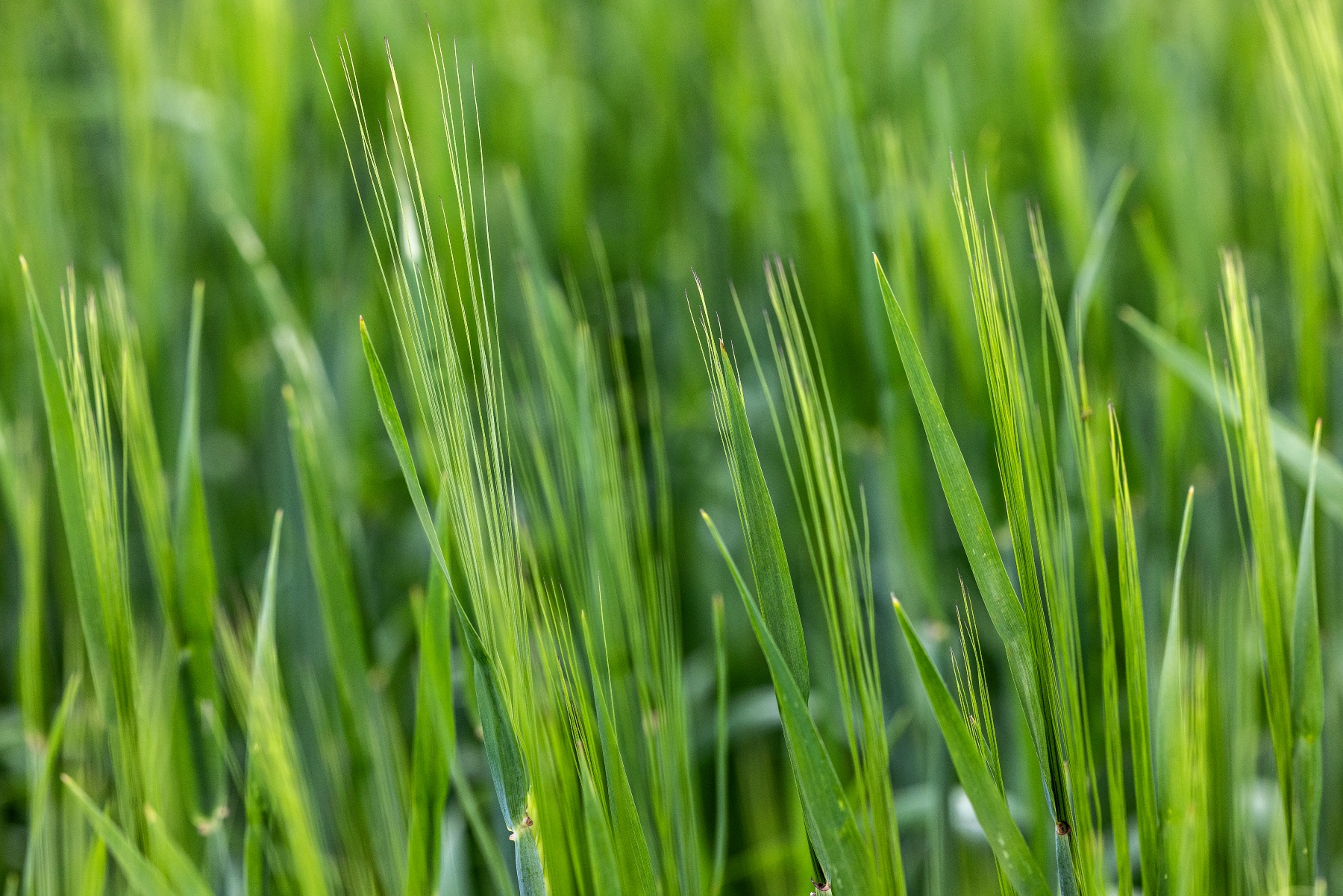
In 2027, Carlsberg Denmark will once again increase its share of regeneratively grown grain, following the harvest in autumn 2026. For the first time, regeneratively grown wheat is also on the procurement list – at a volume equivalent to Carlsberg Denmark’s total wheat consumption.
Carlsberg Denmark is thus taking another step toward its goal of having 50% of the raw materials used in its beverages grown according to regenerative principles by 2032.
Carlsberg Denmark is increasing procurement from 15,000 tonnes in 2025 to 18,400 tonnes of regenerative crops from the farmers’ 2026 harvest. These raw materials will be used for beer brewed in Fredericia in 2027. With this contract, Carlsberg Denmark is, for the first time, also purchasing regeneratively grown wheat – covering all the wheat used in the brewery’s beers that contain wheat, such as 1664 Blanc and Biére, Jacobsen Barbara’s Easy IPA, Mikkeller Burst IPA, and Brooklyn Pulp Art IPA.
“Our investment in regeneratively grown grain in Denmark has got off to a very good start. 2025 was our first year using regenerative raw materials, and we brewed around 3 million liters of beer using regenerative malting barley. This year, we are already at approximately 100 million liters. Now we are increasing procurement from 15,000 to 17,400 tonnes of regeneratively grown malting barley, which will be harvested this autumn and result in around 118 million liters of beer next year. On top of that, for the first time, we have also ordered 1,000 tonnes of regeneratively grown wheat, which will cover our entire wheat consumption in 2027,” says Stig Schneider, Senior Sustainability Manager at Carlsberg Denmark.
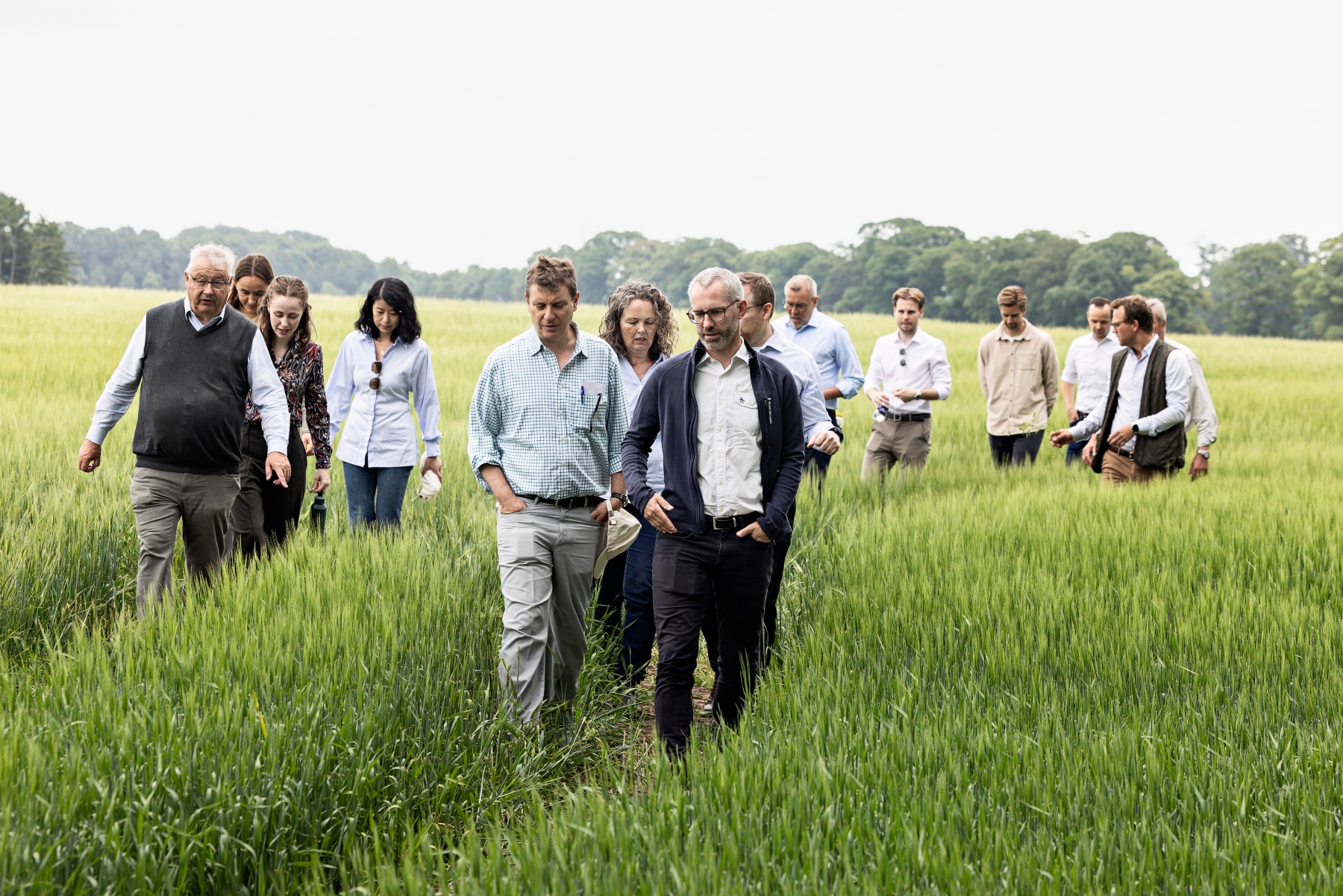
“Raw materials account for around 25% of our total CO₂ emissions at Carlsberg Denmark. We want to reduce that, which is why we are interested in the potential of raw materials grown using regenerative principles. Regenerative farming methods can reduce CO₂ emissions, for example by reducing tractor use and thereby saving fuel. At the same time, these methods can help improve soil health, biodiversity, and the resilience of agriculture. This work takes place in close collaboration with both farmers and our partners in the value chain, including maltsters and DLG, who are essential for developing and scaling these solutions in practice. In our sustainability strategy, Brewing Tomorrow, we have set a global target that 50% of our raw materials should be grown using regenerative practices by 2032, and with this purchase we are taking another concrete step in Denmark,” he says.
Calling for more companies like Carlsberg
At DLG, they welcome the fact that Carlsberg Denmark is once again increasing its share of regeneratively grown crops and at the same time highlight the need for more companies to engage.
“Carlsberg is a frontrunner when it comes to making a significant and committed shift to regenerative crops. It is very positive news that Carlsberg is now also purchasing regeneratively grown wheat. This is important because broader demand makes it more attractive for more farmers to work with new cultivation methods and stronger crop rotation. We hope that more companies will follow suit, so that we also see regenerative oats, rye, and rapeseed,” says Claus Stig Pedersen, EVP for Sustainability & Communication at DLG.
Facts: Carlsberg’s work with regenerative agriculture
The regenerative principles that Carlsberg Denmark applies in collaboration with Danish farmers are aligned with the Regenerating Together Programme (RTP), an international initiative under the SAI Platform, which brings together companies, farmers, NGOs, and research institutions around a shared approach to regenerative agriculture. It defines regenerative agriculture as an outcome-based farming approach that protects and improves soil health, biodiversity, climate and water resources, with the premise to improve, or at a minimum maintain, farmer livelihoods.
The Carlsberg Group has recently confirmed its continued support for the programme and will continue to follow RTP’s principles and methods. One of the programme’s aims is to create a common industry framework that improves measurement, transparency, verification and implementation of regenerative practices.
Carlsberg Denmark recommends developing a clear national framework for regenerative agriculture, inspired by the SAI Platform, that strengthens documentation, transparency, and collaboration across the value chain – and makes it more attractive for more farmers to participate in the transition.

Contact
Please address enquiries to:
Communications Advisor
Pauline Nordahl Laudrup
Tel +45 31 77 42 63 Email pauline.nordahllaudrup@carlsberg.com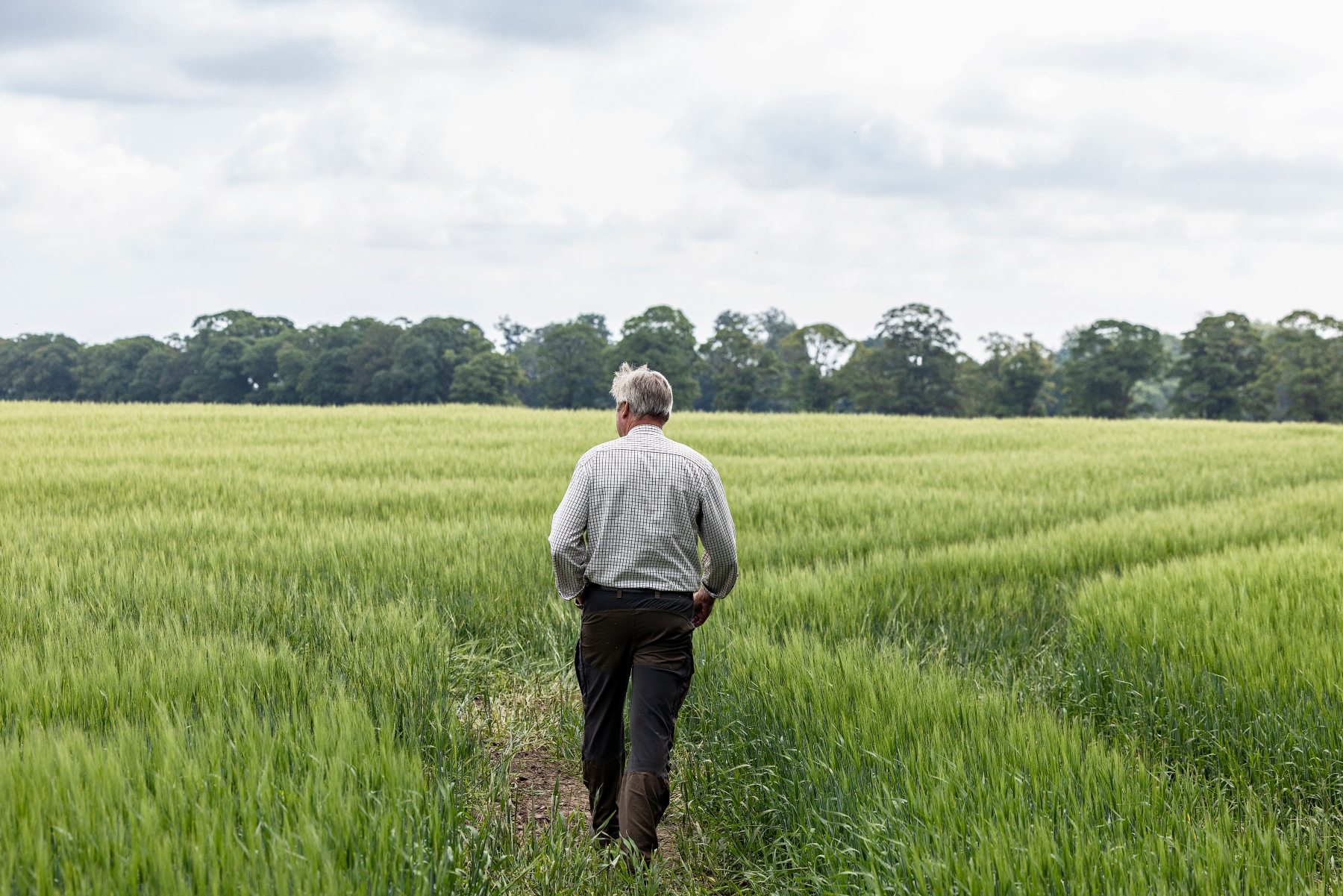
Photos: Niels Hougaard
Central & Eastern Europe and India
-
Azerbaijan
-
Belarus
-
Bulgaria
-
Canada
-
Croatia
-
Estonia
-
Greece
-
Hungary
-
India
-
Italy
-
Kazakhstan
-
Latvia
-
Lithuania
-
Nepal
-
Serbia
-
Ukraine